Israeli Trial Lawyer
Going to trial in Israel can catch people off guard, especially if they don’t know what to expect. Whether you’re involved in a business disagreement, a real estate concern, or another civil matter, having an Israeli lawyer who understands exactly how court cases work here can make a big difference. Every case has its own path, but most trials follow a structured process. Knowing how it works can ease a lot of the stress and help you stay focused.
This article shares what a trial lawyer in Israel really does, the types of issues that usually go to court, how the court system handles them, and how we support clients before, during, and after trial. If something in your life or business is headed for court, this might help make things a bit clearer.
What an Israeli Trial Lawyer Does
A trial lawyer represents clients when legal arguments need to be settled in court. We don’t just show up on court day and start asking questions. There’s a lot that comes before and after the actual hearing.
One part of our role is building the case ahead of time. That often involves collecting paperwork, speaking to witnesses, reviewing contracts, or tracking down other materials that support the client’s side. If there’s legal writing involved, such as the formal opening claim or responses, we draft those too. Accuracy matters, and every word has to say what it’s supposed to say, and nothing else.
When the hearing day arrives, we speak for the client in front of the judge. We present facts, ask questions, challenge the other side, and make sure the judge hears the message clearly. But even beyond court, we’re there to walk through what the ruling means, whether another step is needed, and how that plays into the client’s plans or business. It’s a start-to-finish job, not just a few hours in front of a judge.
Common Types of Cases That Go to Trial
Civil and commercial courts in Israel often deal with business problems. These might be contracts that someone didn’t follow, disagreements between business partners, or arguments about who owns part of a company. These matters don’t always solve themselves with a few emails. Sometimes a trial is the only way to break the tie.
Real estate comes up often, too. We see disputes about land ownership, questions around purchase agreements, or cases where someone sold property without the permission they needed. With so many documents involved, sales contracts, deeds, and others, simple misunderstandings can turn into full legal cases.
Another category involves international cases. When someone outside of Israel is tied up in a deal, investment, or partnership here, conflicting laws might clash. Trials help settle which side has a stronger legal standing within Israeli law. Working with an Israeli lawyer who understands both perspectives helps those cases stay focused, fair, and steady.
What to Expect in Israeli Court Hearings
Most civil trials in Israel don’t look like courtroom scenes on television. For starters, there’s no jury. The judge decides the case alone, based only on the facts and the law. People often imagine quick outcomes, but trials in Israel take time. A hearing might be scheduled months in advance, and once it begins, there may be breaks between court dates.
Language can add another step for clients who live outside of Israel. If someone speaks a different language or if documents come from another country, certified translations can be required. That way, the judge knows exactly what each paper says and all parties follow the same pacing.
We always recommend staying organized with all records and being ready for delays. The right preparation takes some of the pressure off and creates fewer surprises during the trial.
The Role of Your Lawyer Before, During, and After Trial
We stay involved at each stage. Before trial, we help gather facts, collect records, and write the documents the court needs to see. For clients dealing with larger partnerships or companies, this might include corporate filings, meeting notes, or signed contracts. Each piece adds context to the case.
During the trial, we speak directly to the judge and ask questions as needed. This part includes both sharing what supports our client’s side and pushing back when something is unclear or not accurate. Strong communication helps the judge look at the case in a fair light.
After the ruling, we’re not done. We read the court’s decision carefully and go through next steps with our client. That could mean carrying out what the judge ordered, correcting a misunderstanding, or even moving into an appeal if something important was missed.
It’s not just about legal knowledge; it’s about staying on the client’s side from start to finish.
A Trusted Approach When It Matters Most
Trials are rarely simple. They involve hard choices, long paperwork, unfamiliar language, and real-life outcomes that affect everything from income to partnerships to property. For people who live outside of Israel or are new to its laws, those details can feel too heavy to carry alone.
Having someone at your side, a steady guide who’s been there before, can help clear the path forward. The process may still take time, but it doesn’t have to be confusing. We believe that when clients feel seen and supported, even the most difficult legal situations become more manageable. Being prepared adds calm, and calm gives us room to focus on what matters most. When the case ends, our goal is to leave clients with clarity, nothing left hanging, no questions left behind.
A court case in Israel can bring up a lot of questions, especially if you’re handling it from abroad or dealing with something unfamiliar. Having the right person in your corner helps keep things steady when everything else feels uncertain. We focus on the facts, timing, and legal steps so that our clients can stay focused on what the outcome means for their business or life. To learn how we support you as an Israeli lawyer, contact Eli Shimony Law Office.
Eli Shimony – Israeli law firm represents clients on all legal matters in Israel. For any questions, please contact us, and we will be happy to assist.
By email: [email protected], By phone: +972-52-2769773, +972-3-5507155.
The above is only general information and does not replace legal advice, which is usually necessary before taking legal proceedings.


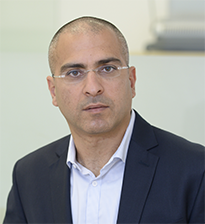
Adv. Eli Shimony
Attorney Eli Shimony holds a bachelor's degree in law (LL.B) and a master's degree in business administration (MBA), brings a broad legal knowledge in his areas of expertise. In addition, attorney Shimony holds a wide range of professional certifications in the fields of civil law, banking, compliance, intellectual property, corporate law and more... Attorney Shimony's main areas of practice: Civil and Commercial Litigation, Class actions, Mediation and Arbitration, Intellectual Property, Companies, Real estate, Wills and Inheritances, Monetary claims, Crypto Currencies, Banking, Compliance and Investments.